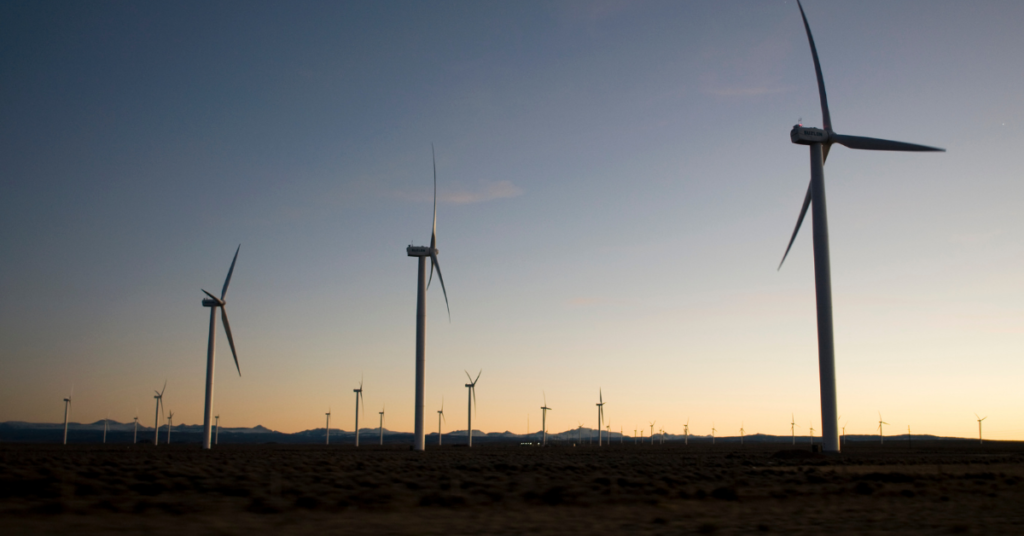
The world flourishes on balance, and many animal species play critical roles in maintaining the ecosystem and the health of our environment. The health of our planet is not only the responsibility of humans; the intricate web of life keeps it.
Within this web, certain animal species play crucial roles in protecting and stabilising the environment. These species act as ecosystem engineers, pollinators, seed dispersers, and natural regulators, making sure that ecosystems continue to function smoothly.
Their actions, ranging from simple feeding habits to large-scale habitat modifications, are vital for biodiversity, climate regulation, and the overall functioning of Earth’s ecosystems.
Here are five animal species that play an essential role in protecting our environment.
Bees And Other Pollinators
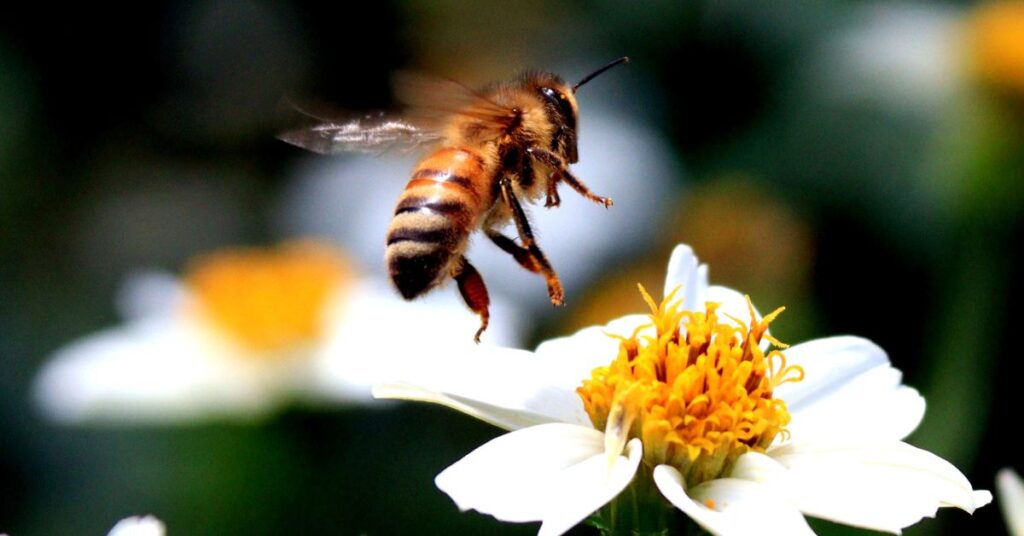
While small, the impact of bees, butterflies, and bats is substantial. They are primary agents of pollination. They transfer pollen between plants, enabling plants to reproduce.
How Do Bees Protect Our Environment?
Bees support biodiversity by helping wild plants to reproduce. They maintain habitats for other wildlife and ensure food security through crop pollination. Without these pollinators, ecosystems would rapidly collapse due to the loss of fundamental plant species.
Sea Otters
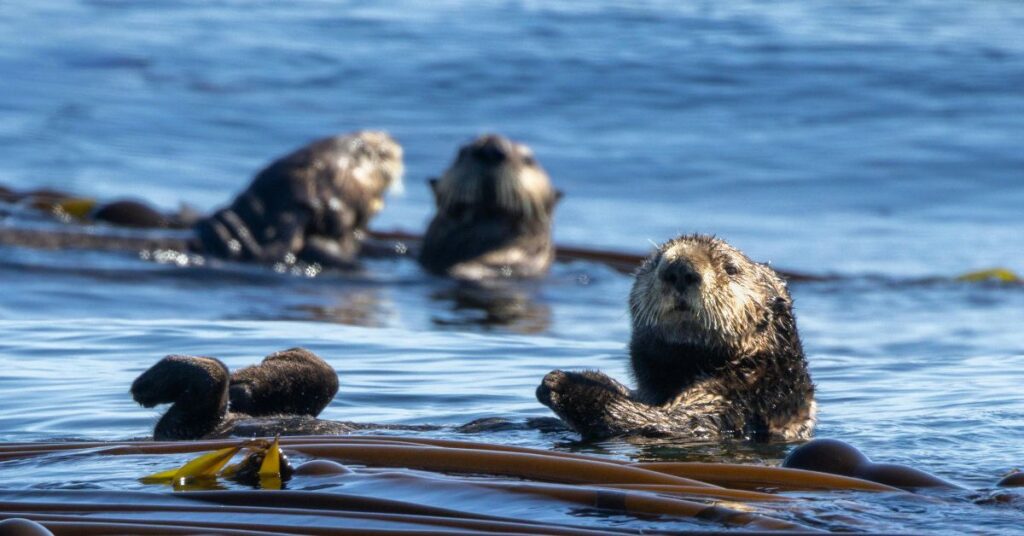
Guardian of the kelp forest, Sea otters are a keystone species in marine environments, especially kelp forests. They play a major role in maintaining the health of the coastal kelp forest along the Pacific Ocean. Otherwise, they are known as Enhydra Lutris. Their role in the marine environment demonstrates how a single species can protect an entire underwater ecosystem.
How Do Sea Otters Protect Our Environment?
Sea Otters keep a check on the population of sea urchins. Sea urchins are marine animals that eat kelp. If the sea otter population reduces, then the sea urchin population increases, which will be bad for the ecosystem.
These hungry urchins can graze an entire kelp forest down to a bare, rocky seafloor, creating what’s called an “urchin barren.” Sea otters maintain marine biodiversity and healthy coastal ecosystems. Their conservation directly supports climate regulation and ocean health.
Earthworms
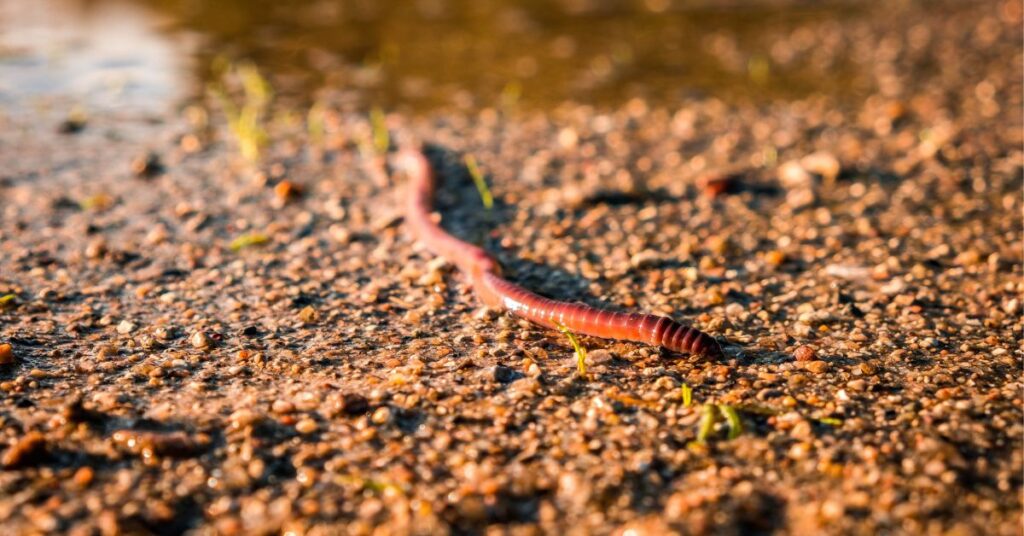
Earthworms, also known as The Soil Engineers, a soil-dwelling terrestrial invertebrates. Earthworms play an important role beneath the ground. They burrow through soil, improving its structure and fertility.
How Do Earthworms Protect Our Environment?
Earthworm increases soil aeration and drainage. They improve plant growth by enhancing soil health.
Earthworms also break down organic matter to form nutrient-rich humus. Earthworm activity can neutralise soil pH and alter the soil’s microenvironment, making it more hospitable for other life and processes. The combined effects of their activities create a more productive and resilient soil ecosystem, which is crucial for plant growth and a healthy environment.
Elephants
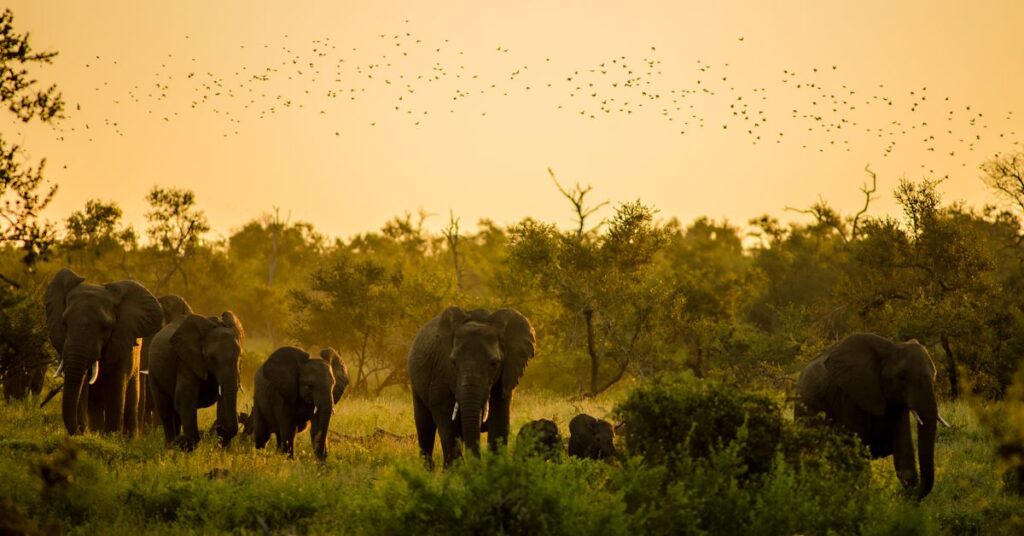
Elephants are widely known as “Ecosystem Engineers” due to their immense impact on shaping and maintaining the landscapes they inhabit. Their actions are vital for the health of the biodiversity and regeneration of both Forests and Savannas, making them a keystone species.
How Do Elephants Protect Our Environment?
Elephants eat huge amounts of plants and fruit. The seeds from these plants pass through their digestive system and are dropped far away in their dung (poop). This elephant dung acts as a perfect little ball of fertiliser that helps new trees and plants grow in new places. This process is essential for keeping forests diverse and healthy.
In savanna ecosystems, elephants help prevent forests from encroaching on grasslands by browsing on tree sprouts and shrubs. Elephants use their tusk and strong feet to dig for water during dry seasons, creating Water Holes that other small animals rely on for survival. By doing these important jobs in nature, elephants help keep their environment healthy and support many other animals. Losing them would badly disturb the natural balance in both Asia and Africa.
Whales
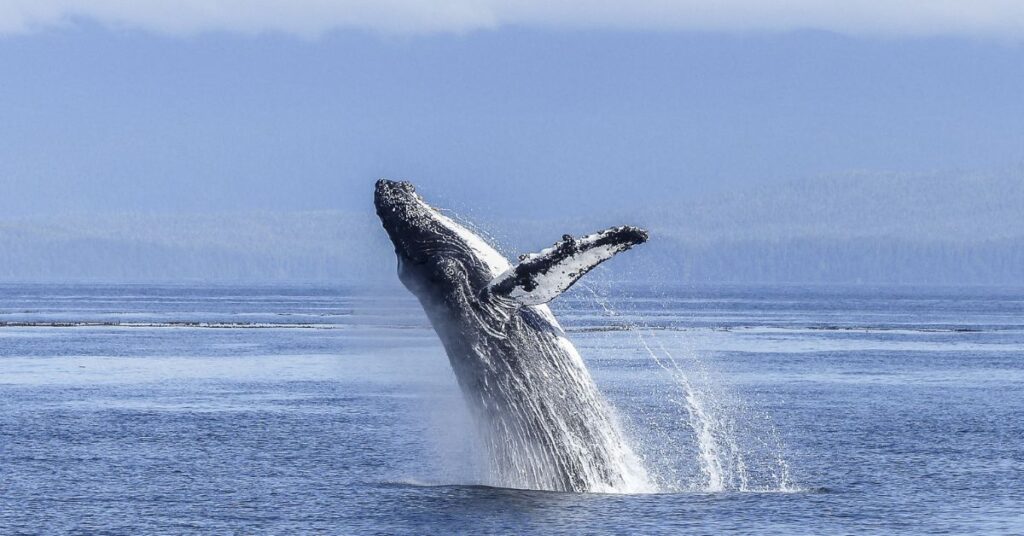
The Climate Regulators of the Ocean – Whales are a widely distributed and diverse group of fully aquatic placental marine mammals. They can feed, mate, give birth, suckle, and raise their young at sea. We might think of whales as just huge ocean residents, but they are secretly climate heroes, helping to regulate the very air we breathe.
How Do Whales Protect Our Environment?
Whales eat deep in the ocean but come to the surface to breathe and poop. This whale poop is very rich in iron and nitrogen—essential nutrients that act as fertiliser for tiny ocean plants called Phytoplankton, which absorb about 40% of all the carbon dioxide that is taken out of the atmosphere each year.
By fertilising the ocean, whales help these vital organisms flourish, which keeps our air cleaner and stabilises the global climate. When a great whale dies, its massive body sinks to the bottom of the ocean. This process effectively locks away all the carbon the whale had stored in its body for centuries, keeping it out of the atmosphere.
In the end, whales remain vital guardians of the ocean, sustaining marine ecosystems and reminding us that protecting them is essential for the health of our planet.
Conclusion
Animals are not just part of nature; they are active protectors of it. These five species and countless others show that every animal has a job in our environment. When we protect these animals, we are not just saving a species; we are safeguarding the natural services they provide for free, such as clean air, fertile soil, stable climates, and abundant food.
From bees ensuring food security to elephants building habitats, these species perform ecological services that humans cannot easily replace. The health of the environment is directly linked to the health of the animals within it. Protecting them is protecting ourselves.

The writer has a keen interest in issues related to the environment, sustainability, and climate change. Here, at BleedGreen, he shares his deep insight into the complex arena of ecological sustainability.